June 23, 2026
InfoTech Podcast with Tom and Jimmy
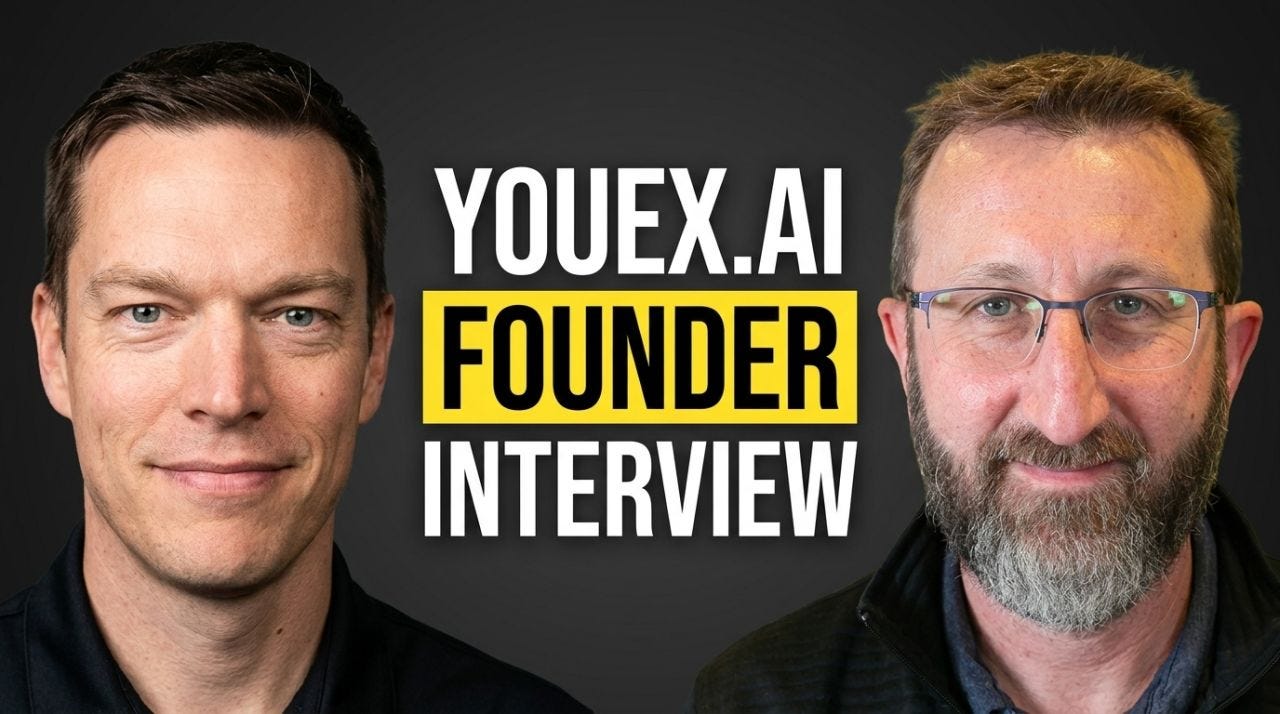
🎙️ I had the pleasure of joining an episode of the InfoTech Solutions & Services Inc. Podcast with Jimmy Huber, and it’s a really engaging episode.
Definitely give it a listen here
The problem nobody wants to say out loud
A lot of sales leaders right now are asking the same question about AI: how many SDRs can I get rid of if I roll this out?
I don’t think that’s the right way to look at it. It leads you to the wrong outcome. The companies actually seeing results from AI are the ones using it to make their best people faster, sharper, and more present in the conversations that matter. Not the ones using it to thin out their teams.
Look at where AI adoption is actually creating career growth. It’s engineering. Developers who are fluent in AI tools are in higher demand, not lower. Their output is higher. Their value is higher. The same thing is coming for sales, and the sellers who figure out how to use these tools well are going to have a real edge over the ones who don’t.
Where I’ve seen this go wrong
I spent twelve years at Salesforce, the last several in customer success driving adoption across some of the biggest platform changes they made. One pattern showed up over and over: companies would roll out a new tool, get excited at first, and then stall. Not because the tool was bad, but because nobody designed the workflow around it.
Then I spent two years at Altimetrik, one of OpenAI’s first implementation partners, helping enterprise companies actually put ChatGPT to work. Same pattern. Twenty thousand seats. Decent adoption for writing emails. Then the question: “okay, but why can’t we do this deeper workflow thing?” And the answer was always: “six months of integration work.” And the interest disappeared.
That’s the trough of disillusionment, and I think that’s exactly where we are right now with AI in sales. The initial spike is over. The “just buy ChatGPT Enterprise and see what happens” phase is behind us. What’s left is the harder, more valuable question: where does AI actually fit into the work, and what does it produce?
That’s why I founded YouEx in February. Not to ride a hype cycle, but to build something durable in the space the hype exposed.
What we actually built
The core idea behind YouEx.ai is simple: most companies have more leads than they know what to do with, and the problem isn’t getting leads, it’s doing something useful with them fast enough to matter.
You can buy a thousand contacts that match your ICP for $50. Getting one of them on the phone is a completely different problem. And the gap between those two things, the research, the scoring, the routing, the outreach, the follow-up, is where deals die.
We built a system that closes that gap. A web agent that captures leads and converts two to three times better than a static form. Automated research on every lead that produces a real report, not just a name and email, but a view of who this person is, what company they work for, who has purchasing authority, what they care about, and what might actually start a real conversation. Intelligent routing that gets the right lead to the right seller before the first call, not after it. And outreach tools that help sellers move fast without losing the human touch that actually closes deals.
The important word there is “help.”
The human is still deciding what to send. The human is still building the relationship. We’re just making sure they show up to that work prepared instead of starting from scratch.
The conference problem
One thing Jimmy brought up that deserves its own moment: trade shows.
I’ve been to more Dreamforces than I can count. Money 2020, Google Next, AI conferences. Every one of them has the same story. You work a booth for three days. You badge scan hundreds of people. You fly home and get a spreadsheet of leads the next week.
By the time that spreadsheet gets sorted, cleaned, imported, and assigned, the prospect has been to nine other booths and forgotten you exist. The marketing team blasts a form email. Most people delete it. A handful of real opportunities go cold because the follow-up was too slow and too generic.
What if you uploaded that spreadsheet Monday morning and had personalized, researched outreach ready to go Monday afternoon?
What if you had actually reached out while you were still at the conference?
That’s the actual promise. Not AI magic. Just getting rid of the week of delay that kills the momentum you built at the event.
Where this goes
I’m not interested in building another point solution. The market is drowning in point solutions. There’s a tool that puts a chatbot on your website. A different tool that enriches leads. A different tool that sends sequences. A different tool that scores. And then someone has to stitch all of that together with Zapier and hope it holds.
For a mid-market company that can’t afford Salesforce but needs more than a stack of disconnected tools, that’s not a real solution. That’s just a different kind of friction.
The direction we’re heading is an end-to-end workflow that lives wherever you already work. Already using Claude? We have an MCP integration. Already in ChatGPT? We have an app in the store. Already in Salesforce? We’ll be on the AgentExchange. The value isn’t in getting you to adopt a new interface. It’s in the work that happens in the background while you’re doing everything else.
One of my favorite things to tell people: I uploaded a thousand leads and went for a bike ride. When I came back, they were all researched and ready to act on. That’s the product.
One more thing
Jimmy asked me at the end what advice I’d give to early founders and younger entrepreneurs. I said persistence, and I meant it.
The best sellers I’ve known are the ones who sent the ninth email. The ones who followed up for nine months and eventually won the deal everyone else had written off. That’s not just a sales insight. It’s a career insight. The people who stick around when things are hard are the ones still standing when things turn.
That’s true for selling. It’s true for building a company. It’s true for figuring out where AI actually fits in your workflow, which is harder than anyone’s LinkedIn posts make it look.
If you want to hear the full conversation, the episode is live on the InfoTech Podcast with Jimmy Huber. Link below.
And if you want to try YouEx.ai yourself, go to youex.ai and ask the chat agent for a discount. You’ll need to know to ask. That’s the point.